About this place
Discover St Giles Church
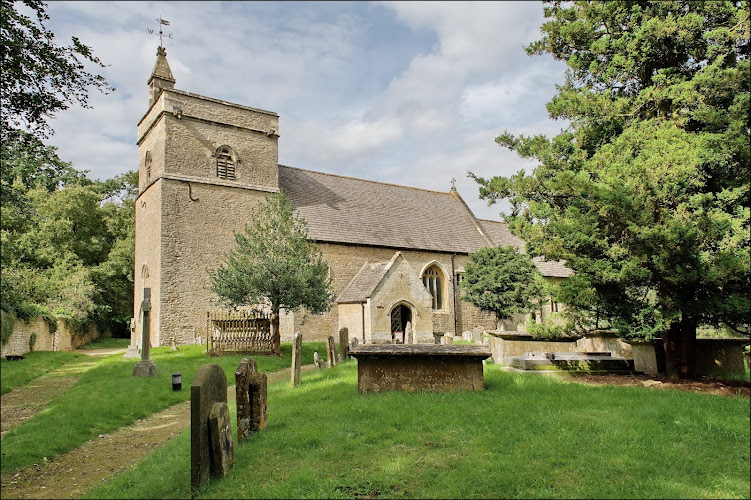
St Giles' Church, Bletchingdon
St Giles' Church in Bletchingdon, Oxfordshire, England, stands as a testament to over a thousand years of Christian worship and architectural evolution. Its history is intricately woven into the fabric of the village, reflecting the broader historical and cultural developments of the region.
Historical Background
The earliest known reference to Bletchingdon appears in the Domesday Book of 1086, where it is recorded as "Blecesdone." This entry provides the first documented evidence of the village's existence, indicating its significance even in the early medieval period. The name "Blecesdone" is derived from Old English, meaning "Blecca's hill," suggesting that the area was named after an individual named Blecca. (en.wikipedia.org)
The church's origins are believed to date back to the 11th century, though the exact date of its establishment remains uncertain. The present building incorporates elements from this early period, including traces of Norman architecture such as a Norman lintel on the south wall. The Early English Gothic chancel was added in the 13th century, reflecting the architectural styles prevalent during that era. (akemanbenefice.org.uk)
Architectural Evolution
Over the centuries, St Giles' Church has undergone several significant modifications and restorations, each contributing to its current architectural form.
- 15th Century Additions: During this period, a nave was added to the church, expanding its capacity and accommodating the growing congregation. The nave's design and construction techniques provide valuable insights into the architectural practices of the late medieval period.
- 17th Century Restoration: In the 17th century, repairs were carried out on the chancel, addressing structural issues and preserving the integrity of the building. This restoration highlights the community's commitment to maintaining the church as a center of worship.
- 1695 South Porch Construction: The south porch, constructed in 1695, features a four-centred arch, a characteristic element of the period's architectural style. The date above the sundial over the doorway serves as a historical marker, indicating the time of this addition. (oxfordshirevillages.co.uk)
- 19th Century Modifications: The 19th century saw significant changes to the church's structure. In 1869, the north aisle was added, designed by Charles Buckeridge, a notable architect of the time. The church underwent substantial restoration in 1878, also under Buckeridge's designs, which included updates to the interior and exterior, ensuring the building's structural stability and aesthetic appeal. (akemanbenefice.org.uk)
Interior Features and Artifacts
Inside St Giles' Church, several features and artifacts offer a glimpse into its rich history:
- 15th-Century Wall Painting: A fragment of a 15th-century wall painting in the chancel provides insight into the artistic expressions of the medieval period. Such paintings were often used to convey biblical narratives and teachings to a largely illiterate congregation.
- Jacobean Pulpit and Pew: The Jacobean pulpit and pews are exemplary of early 17th-century craftsmanship, showcasing intricate woodwork and design elements characteristic of the era.
- 17th-Century Painting: A painting from the 17th century adorns the church, reflecting the artistic styles and religious themes prevalent during that time.
- 1682 Font: The font, in use since 1682, serves as a focal point for baptisms and symbolizes the church's enduring role in the community's spiritual life.
- Memorials to Bletchingdon Park Occupants: The church houses several memorials dedicated to the occupants of Bletchingdon Park, honoring their contributions and connection to the village.
Notable Historical Figures
St Giles' Church has connections to several notable historical figures:
- Christopher Wren: The renowned architect Christopher Wren spent his youth at The Rectory in Bletchingdon. His father, Dean Wren, is recorded in the burial register for 1656 and is believed to be buried under the chancel floor. (akemanbenefice.org.uk)
- Dean Wren: Christopher Wren's father, Dean Wren, served as the rector of Bletchingdon and is commemorated within the church. His presence underscores the church's historical significance and its role in the community's religious life.
Bell Tower and Bells
The west tower of St Giles' Church features a ring of six bells, each with its own history:
- 1710 Tenor Bell: Cast by Robert and William Cor of Aldbourne, Wiltshire, this bell is the oldest in the tower.
- 1738 Second Bell: Cast by Edward Hemins of Bicester, this bell adds to the tower's rich tonal history.
- 1774 Fifth Bell: Cast by Matthew III Bagley of Chacombe, Northamptonshire, this bell contributes to the church's distinctive chimes.
- 1877 Third and Fourth Bells: Cast by James Barwell of Birmingham, these bells were added to enhance the tower's musical range.
- 1998 Treble Bell: The most recent addition, cast by the Whitechapel Bell Foundry, ensures the tower's bells continue to resonate through the village.
- 1877 Sanctus Bell: Also cast by James Barwell, this bell is used during specific parts of the liturgy, adding to the church's rich auditory tradition. (akemanbenefice.org.uk)
Modern Developments
In the year 2000, St Giles' Church underwent significant modernization to enhance its accessibility and functionality:
- New Stone Floor: A new stone floor was installed, making the church accessible for wheelchairs and ensuring comfort for all visitors.�
Location