tourist attraction
Westminster Bridge
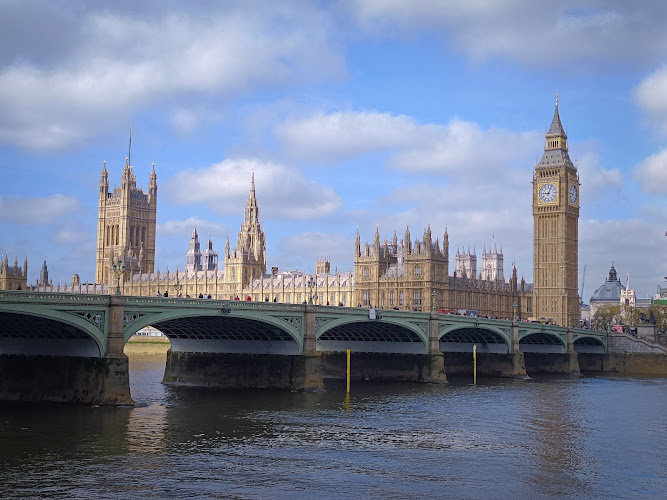
About this place
Discover Westminster Bridge
Westminster Bridge stands as a testament to London's rich history and architectural evolution. Spanning the River Thames, it serves as a vital link between the Westminster area and Lambeth, facilitating both vehicular and pedestrian movement. Its strategic location has made it a focal point for commerce, politics, and culture throughout the centuries.
Historical Background
Before the construction of Westminster Bridge, the nearest crossing of the Thames was at Kingston, over 500 years prior. The absence of a central crossing point led to significant congestion at London Bridge, the only bridge spanning the Thames in central London at the time. This bottleneck hindered the flow of goods and people, especially as the city expanded westward.
The idea of a bridge at Westminster was first proposed in 1664 but faced opposition from the Corporation of London and the watermen who operated ferry services. Further attempts in 1722 were also thwarted. However, the growing need for an additional crossing became undeniable. In 1736, Parliament approved the construction of Westminster Bridge, marking a significant milestone in London's infrastructural development. (en.wikipedia.org)
Construction and Design
The construction of Westminster Bridge was overseen by Swiss engineer Charles Labelye, who was also responsible for the design. The bridge was built between 1739 and 1750, with the original structure being a stone arch bridge. This design was a significant engineering feat at the time and provided a direct route to the expanding West End, alleviating the congestion at London Bridge. (en.wikipedia.org)
Architectural Features
The original Westminster Bridge was a stone arch bridge, a significant engineering feat at the time. Its design provided a direct route to the expanding West End, alleviating the congestion at London Bridge. The bridge's strategic location made it a focal point for commerce, politics, and culture throughout the centuries. (en.wikipedia.org)
Cultural Significance
Over the years, Westminster Bridge has been a focal point for various events and gatherings. Notably, it served as the finishing point for the London Marathon during its early years. Its proximity to the Houses of Parliament has also made it a site for political demonstrations and public gatherings. (en.wikipedia.org)
Visitor Information
For visitors, the bridge is easily accessible via public transportation, with Westminster station serving the Circle, District, and Jubilee lines. Its central location makes it an ideal starting point for exploring nearby attractions, including the London Eye, County Hall, and the South Bank area. (visitlondon.com)
In conclusion, Westminster Bridge is more than just a functional crossing over the River Thames; it is a symbol of London's resilience, innovation, and cultural heritage. Its enduring presence continues to connect the city's past with its present, offering both residents and visitors a tangible link to the rich tapestry of London's history.
Location