Hindu temple
Raja Rajeswari Amma Temple
About this place
Discover Raja Rajeswari Amma Temple
Raja Rajeswari Amma Temple
Nestled in the bustling area of George Town, Chennai, the Raja Rajeswari Amma Temple stands as a beacon of spiritual solace and cultural heritage. Dedicated to Goddess Rajarajeswari, an incarnation of Goddess Shakti, the temple has been a focal point for devotees seeking divine blessings and a deeper connection with the divine.
Historical Background
The origins of the Raja Rajeswari Amma Temple are deeply rooted in the spiritual vision of its founder. In 1988, inspired by a profound divine experience, the founder embarked on the journey to establish a temple that would serve as a sanctuary for devotees. The choice of Goddess Rajarajeswari as the presiding deity was significant, as she embodies the supreme power and grace of the divine feminine. Over the years, the temple has evolved from a modest shrine to a prominent spiritual center, attracting a diverse congregation from across the city and beyond.
Architectural Design and Features
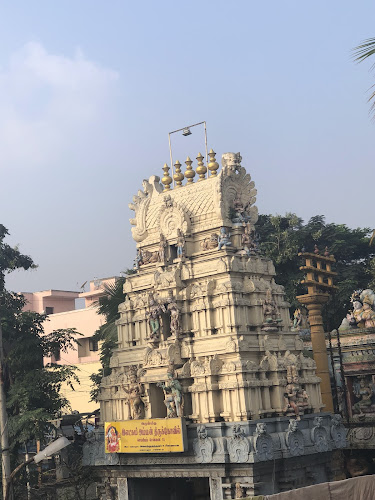
The architectural design of the Raja Rajeswari Amma Temple is a harmonious blend of traditional South Indian temple architecture and contemporary elements. The temple's sanctum sanctorum, or 'garbhagriha,' houses the idol of Goddess Rajarajeswari in a serene seated posture, exuding a sense of tranquility and divine presence. The deity is flanked by intricately crafted idols of Mahalakshmi, Saraswati, Vinayaka, and Murugan, each adorned with traditional attire and jewelry, reflecting the rich cultural heritage of the region.
The temple's exterior is adorned with traditional motifs and carvings, depicting various deities and mythological scenes. The use of vibrant colors and intricate designs adds to the temple's aesthetic appeal, making it a visual delight for visitors. The temple's architecture is designed to facilitate a harmonious flow of energy, enhancing the spiritual ambiance and providing a conducive environment for meditation and reflection.
Cultural and Spiritual Practices
The Raja Rajeswari Amma Temple is not merely a place of worship but also a vibrant center for cultural and spiritual activities. Regular rituals and poojas are conducted, adhering to traditional practices that have been passed down through generations. The temple's priests, well-versed in Vedic rituals, perform these ceremonies with utmost devotion and precision, ensuring that devotees experience the full spiritual benefits.
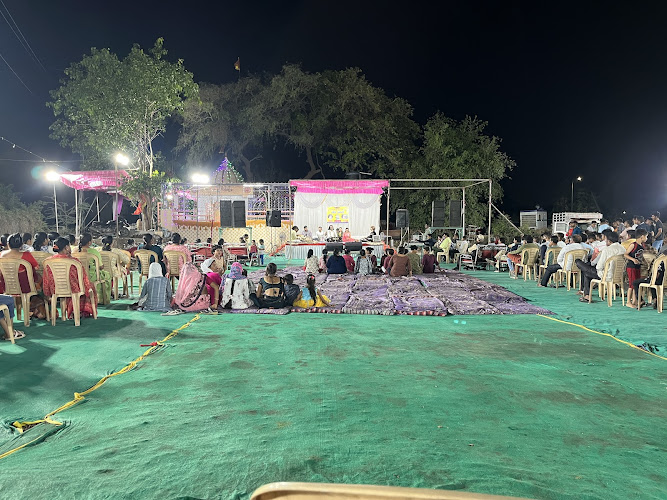
One of the temple's most significant events is the celebration of Navaratri, the nine-night festival dedicated to Goddess Durga. During this period, the temple is adorned with vibrant decorations, and special poojas and aartis are conducted. Devotees from all walks of life gather to participate in the festivities, creating an atmosphere of unity and spiritual fervor. (wanderlog.com)
In addition to religious ceremonies, the temple is actively involved in community service. It organizes free food and robe distribution to the needy, embodying the spirit of selfless service and compassion. These initiatives are made possible through the generous donations of devotees and the tireless efforts of the temple's volunteers. (mahasiddhar.org)
Visitor Information
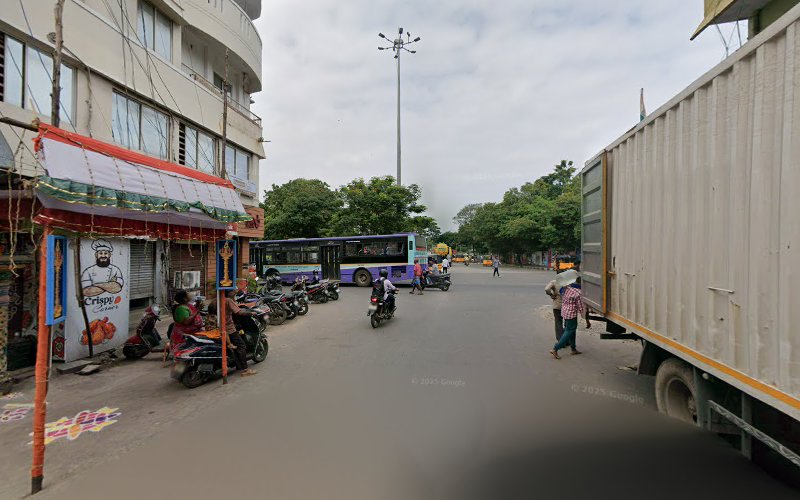
The Raja Rajeswari Amma Temple is open to visitors daily, with morning hours from 6:00 AM to 10:00 AM and evening hours from 5:00 PM to 8:00 PM. This schedule allows ample time for devotees and visitors to engage in worship, participate in rituals, and experience the temple's serene environment. The temple is conveniently located in George Town, making it easily accessible by public and private transportation.
Visitors are encouraged to participate in the temple's various activities, including the daily poojas, special festivals, and community service initiatives. The temple's management ensures that all visitors are welcomed with warmth and hospitality, providing a conducive environment for spiritual growth and reflection.
Conclusion
The Raja Rajeswari Amma Temple stands as a testament to the enduring faith and devotion of its founder and the community it serves. Its rich history, architectural beauty, and active involvement in cultural and spiritual practices make it a significant landmark in Chennai's religious landscape.
Location