About this place
Discover Senapati Flyover
Senapati Flyover
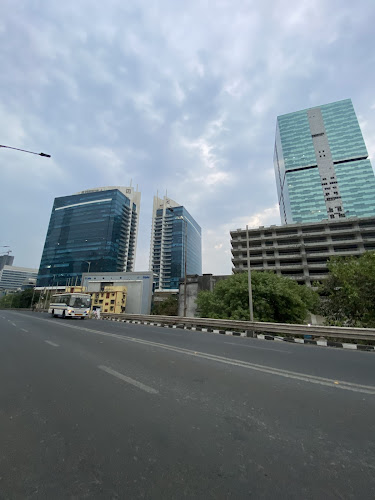
The Senapati Bapat Marg Flyover, commonly known as the Senapati Flyover, is a pivotal elevated roadway in Mumbai, India, strategically designed to alleviate the chronic traffic congestion that plagued the Lower Parel area. This flyover is part of a series of major roads extending over 11 kilometers through the heart of Mumbai, generating significant noise pollution and creating a barrier between neighboring areas that limits options for mobility. (mvrdv.com)
Historical Context and Construction
Mumbai, a city characterized by its dense population and rapid urbanization, has long grappled with traffic congestion. The Lower Parel area, once an industrial hub, experienced significant growth in commercial and residential developments, leading to increased vehicular traffic. To address this, the Maharashtra State Road Development Corporation (MSRDC) initiated the construction of the Senapati Flyover as part of a broader strategy to improve urban mobility. The flyover was completed and opened to the public in the early 2000s, marking a significant milestone in Mumbai's infrastructural development.
Design and Architectural Features
The Senapati Flyover is an elevated structure that spans several kilometers, connecting key areas and facilitating smoother traffic flow. Its design incorporates multiple ramps and pillars, rising above the densely populated residential and commercial zones of Lower Parel. The flyover's construction was a response to the city's pressing need for efficient transportation solutions, aiming to streamline north–south movement and reduce surface-level congestion.
Impact on Urban Mobility
The introduction of the Senapati Flyover significantly reduced travel time between South and Central Mumbai. By elevating vehicular traffic, it alleviated congestion on the roads below, providing a faster and more efficient route for commuters. This improvement in mobility was particularly beneficial for daily office-goers and residents, enhancing the overall quality of urban life.
Community Space Transformation
In 2022, a notable transformation occurred beneath the Senapati Flyover. The Dutch architectural firm MVRDV, in collaboration with Mumbai-based StudioPOD, embarked on a project to repurpose a 200-meter stretch of the flyover's underbelly into a vibrant community space named "One Green Mile." This initiative aimed to address the flyover's negative impact on the local environment by introducing greenery, amenities, and recreational areas. The design included sinuous blue stripes to create a cohesive visual identity, enhancing the aesthetic appeal of the space. (mvrdv.com)
Community Reception and Usage
The transformation of the space beneath the Senapati Flyover has been met with enthusiasm from the local community. Children frequently use the play area, which is equipped with swings, seesaws, and climbing structures. The play area operates daily from 8 am to 12 noon and 4 pm to 10 pm, providing a safe and engaging environment for children in the area. This development has not only improved the quality of life for residents but also set a precedent for integrating urban infrastructure with community spaces. (hindustantimes.com)
Environmental and Social Impact
The One Green Mile project has had a positive impact on the local environment and social fabric. By introducing greenery and recreational facilities, it has enhanced the aesthetic appeal of the area and provided residents with a space to relax and socialize. The project also serves as a model for sustainable urban development, demonstrating how underutilized public spaces can be transformed to meet the needs of the community. (mvrdv.com)
Challenges and Considerations
Despite the successes, the transformation of the space beneath the Senapati Flyover faced several challenges. The area was previously characterized by noise pollution and limited accessibility, which posed obstacles to its redevelopment. Addressing these issues required innovative design solutions and collaboration between architects, urban planners, and the local community. The project also highlighted the importance of considering environmental factors and community needs in urban planning.
Future Prospects
The success of the One Green Mile project has opened avenues for similar initiatives in other parts of Mumbai and beyond. It underscores the potential of transforming neglected urban spaces into vibrant community hubs. Future developments may focus on further enhancing the integration of infrastructure with community spaces, promoting sustainable urban growth, and improving the quality of life for city dwellers.
Conclusion
The Senapati Flyover, with its innovative community space beneath, exemplifies Mumbai's efforts to integrate infrastructure with urban development, enhancing both mobility and quality of life for its residents. The transformation of this space serves as a testament to the city's commitment to sustainable urban planning and community well
Location