Religious destination
Imambara Azakhana E Zainab (S.A)
About this place
Discover Imambara Azakhana E Zainab (S.A)
Imambara Azakhana E Zainab (S.A)
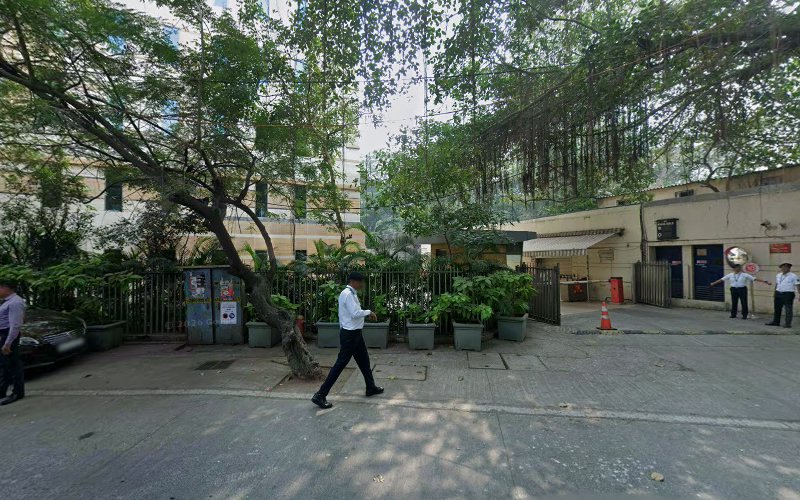
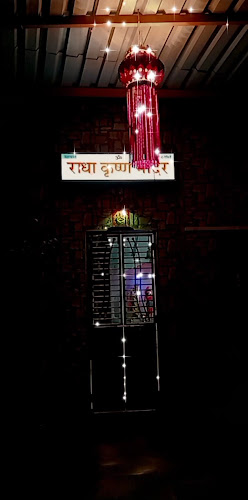
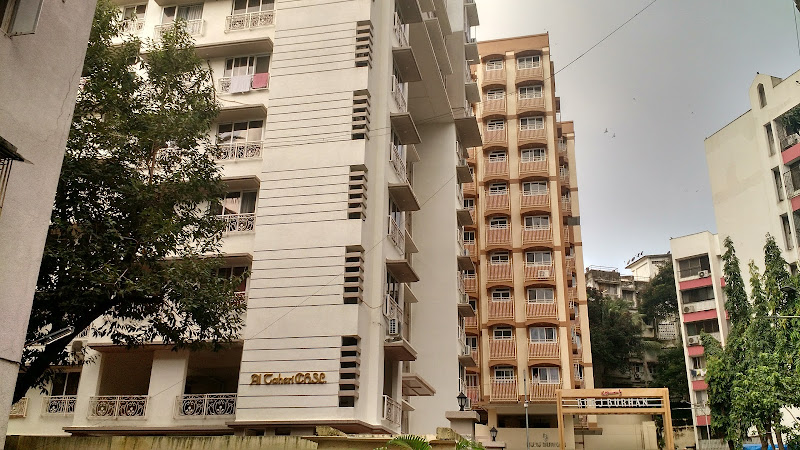
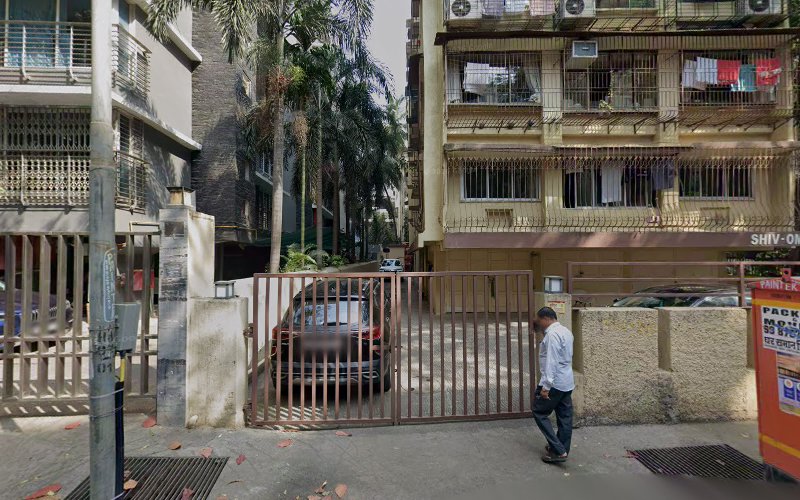
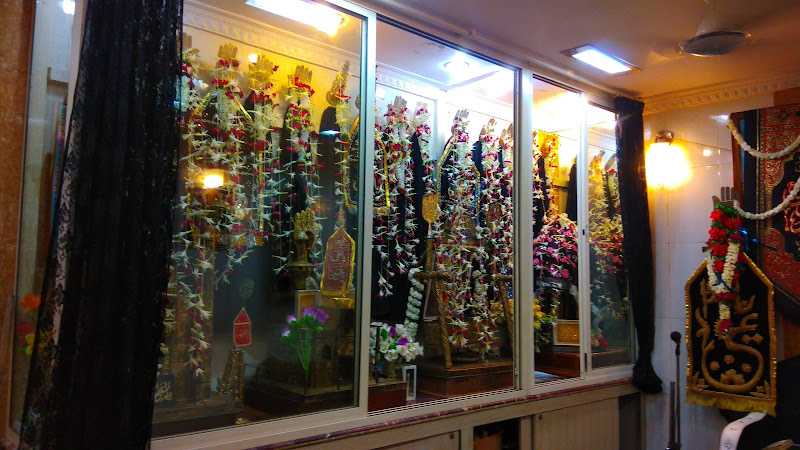
Imambara Azakhana E Zainab (S.A) stands as a significant Shia Muslim congregation hall in Andheri East, Mumbai, Maharashtra. This imambara serves as a central hub for the local Shia community, offering a space for religious gatherings, educational programs, and the observance of Muharram rituals. Its strategic location near Little Flower School on Mahakali Caves Road ensures accessibility for residents and visitors, reinforcing its role as a focal point for communal activities.
Historical Context and Significance
The term "Imambara" is derived from the Arabic word "Imam," referring to the leaders of the Shia Muslim community. An imambara is a congregation hall built by Shia Muslims for mourning rituals, especially during Muharram, the first month of the Islamic lunar calendar. "Azakhana" translates to a place of mourning, where devotees gather to commemorate the martyrdom of Imam Husain and his companions in the Battle of Karbala. The addition of "E Zainab" honors Zainab bint Ali, the sister of Imam Husain, who is revered for her courage and resilience during the aftermath of the battle.
While specific historical details about Imambara Azakhana E Zainab (S.A) are limited, it is part of a broader tradition of imambaras in Mumbai. The Zainabia Imambara, also known as Baber Ali Imambara, is a well-known Shia religious center in the Bhendi Bazar area of Mumbai. Established over a century ago, it has been a focal point for religious activities and community gatherings. In the early 1980s, to preserve the imambara, the Imaan Foundation acquired the property, ensuring its continued role in the community. (wabil.com)
Architectural Features
Imambaras are renowned for their distinctive architectural styles, often reflecting a blend of Persian and Mughal influences. While specific architectural details of Imambara Azakhana E Zainab (S.A) are not readily available, it is reasonable to infer that the structure incorporates elements characteristic of Shia religious architecture. These may include a central prayer hall, a dome, and decorative motifs that hold symbolic significance. The design typically emphasizes functionality and aesthetics, providing a conducive environment for worship and reflection.
Cultural and Social Role
Imambaras like Azakhana E Zainab (S.A) play a pivotal role in the cultural and social fabric of the Shia Muslim community. They serve as venues for communal prayers, religious lectures, and the observance of Muharram rituals. During Muharram, especially on the 10th day known as Ashura, imambaras become centers of mourning and reflection, where devotees participate in processions, recite elegies, and engage in communal activities that honor the sacrifices made by Imam Husain and his companions.
Beyond religious observances, imambaras often host educational programs, social welfare activities, and cultural events. They act as community centers, fostering a sense of unity and continuity among devotees. In times of crisis or need, imambaras have historically provided support, whether through organizing relief efforts, offering shelter, or serving as venues for community discussions and decision-making.
Community Engagement and Preservation Efforts
The preservation and maintenance of imambaras are of paramount importance to the Shia Muslim community. Recognizing their historical and cultural significance, community leaders and organizations often undertake efforts to restore and protect these structures. For instance, the Imaan Foundation's acquisition and restoration of the Zainabia Imambara in the 1980s ensured that the building remained a vital part of the community's heritage. (wabil.com)
Similarly, the Shia Imambara located at 24-J, Zakir Hussain Nagar, Govandi East, Mumbai, serves as another example of the community's commitment to preserving their religious and cultural landmarks. This imambara, like others, provides a space for worship, education, and social interaction, reinforcing the community's bonds and traditions.
Location